
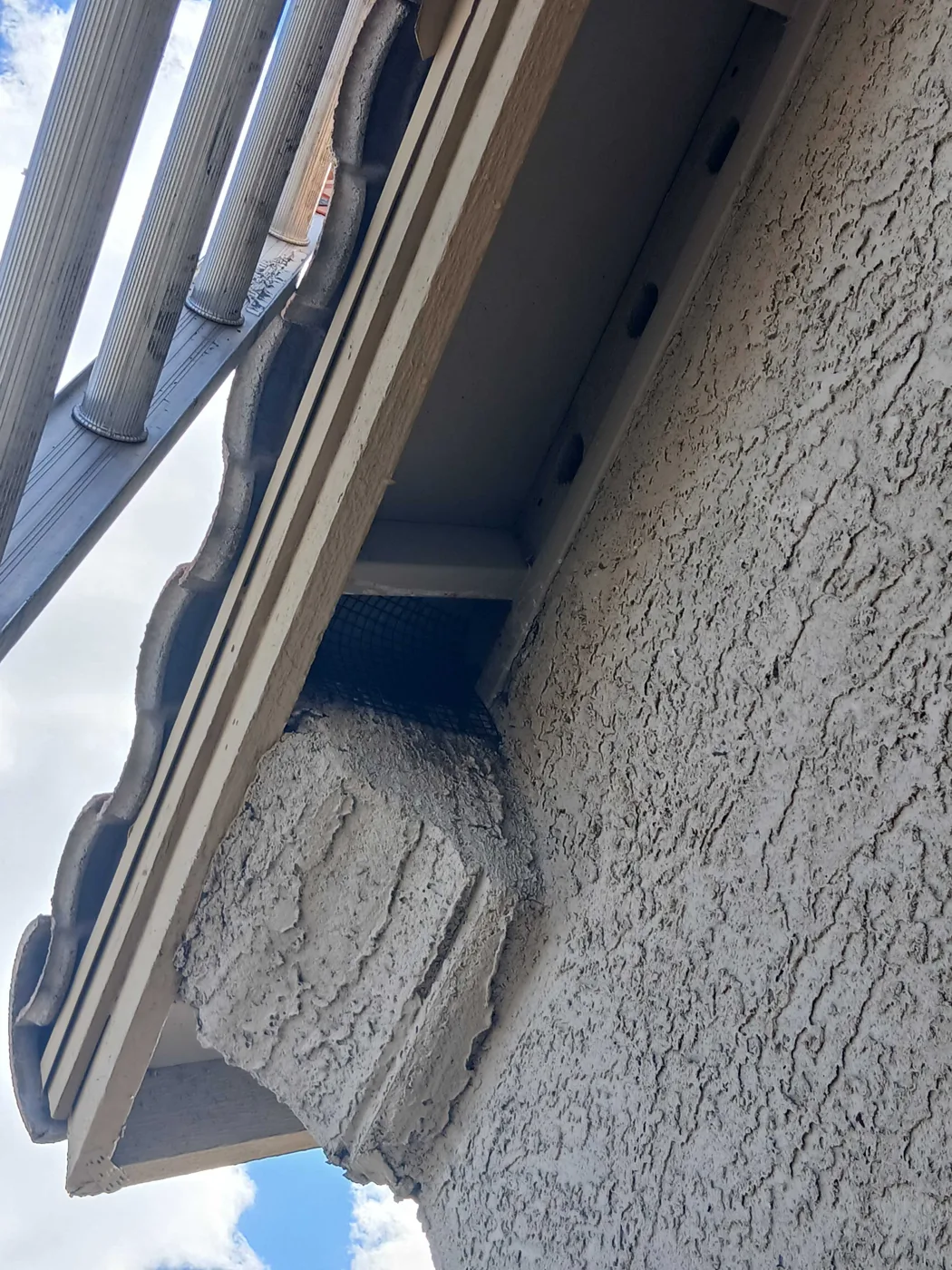
A pigeon control guarantee should tell you which installed work and areas are covered, how long coverage lasts, and what happens if you report a problem. The written terms for your project determine the coverage.
Pigeon Pros offers a five-year guarantee in some cases. Eligibility and coverage depend on the installation and the project terms. This checklist helps Phoenix-area property owners ask useful questions before approving pigeon control work; it does not replace or expand a written guarantee.
Start with the specific areas being protected
Ask the installer to identify each included opening, roof recess, ledge, canopy, or solar array. Photographs or a marked scope can make this easier to understand. A statement about pigeon control for a property should explain which locations are actually being treated.
A bird on an untreated ridge is a different observation from a bird entering behind fitted screening. Clear area descriptions help you understand what to report and let the team distinguish an installation issue from activity outside the original scope.
Before choosing a proposal, review how an inspection informs the pigeon control plan. The method and the covered area should fit together.
Questions to ask about a pigeon control guarantee
- Eligibility: does this installation qualify for a guarantee?
- Duration: when does coverage start and end?
- Protected areas: which exact locations are included?
- Materials and workmanship: what installation problems or material failures are covered?
- Return activity: what happens if pigeons access a protected space?
- Service charges: are inspection, access equipment, labor, or replacement materials chargeable?
- Maintenance: what responsibilities or inspection requirements apply?
- Reporting: how should you contact the company, and what information helps?
Get answers in the estimate or accompanying written terms. Do not infer free visits, unlimited repairs, or scheduled annual inspections from the word “guarantee” alone.
Separate the original work from later service
The original estimate should describe the cleanup and exclusion work you are purchasing. The guarantee should explain the applicable coverage afterward. These are related documents, but a guarantee does not automatically add cleanup or repair tasks that were never included in the estimate.
For example, a proposal for solar panel bird proofing should identify the array and the perimeter work. Ask separately about any cleanup of existing nesting material and droppings. Roof repairs or solar equipment repairs may require a different contractor.
Discuss changes that could affect the installation
Roof work, solar servicing, sign repairs, or HVAC maintenance can disturb barriers. Tell those contractors where netting and screening are installed, and discuss access with your pigeon control installer before materials are moved.
Ask how the written terms address later modifications, weather damage, damage by other contractors, and new openings. These are questions to resolve for your project, not a statement that any particular event automatically voids your coverage.
Also ask how a necessary maintenance opening will be closed again. A system that requires regular equipment access should have that need considered in its design.
What to do if pigeons return
Contact the company and describe the location rather than assuming you know which part of the system failed. Useful details include the date, where the birds enter, whether fresh droppings appear inside a protected area, and whether other building work occurred recently.
- Find the original estimate and any guarantee documents.
- Take photographs or video from a safe, accessible location if practical.
- Identify the exact opening or surface where activity is occurring.
- Explain any recent roof, sign, solar, or equipment maintenance.
- Ask the team to assess the issue and confirm coverage and any charges before additional work begins.
Do not climb onto the roof to collect proof or remove a barrier to investigate. If you see a bird inside an excluded space, report that promptly so the situation can be assessed.
Workmanship and pigeon access are different questions
One question is whether the installed material remains securely fitted as intended. Another is whether pigeons are reaching the protected area. A loose perimeter, a newly opened access point, and birds resting on an untreated nearby ledge may require different responses.
Ask how the written terms handle each situation. Avoid assuming every product warranty includes installation labor, or that every workmanship promise covers any future pigeon activity anywhere on the building.
Frequently asked questions
Does every Pigeon Pros job have a five-year guarantee?
No blanket promise applies to every project. A five-year guarantee is available in some cases; confirm eligibility and the applicable written coverage with your estimate. See our guarantee and coverage page.
Are follow-up visits automatically free?
Do not assume that. Ask which visits, labor, materials, and access costs are included under your project terms, and confirm any charges before authorizing additional work.
Does seeing pigeons on the roof mean the work failed?
Not necessarily. Record whether birds are entering a protected space or using an untreated surface. The installer needs that location information to assess the issue.
Can I change the screening myself?
Discuss changes with the installer first. Removing or modifying material can open access and may affect coverage under the written terms. Coordinate roof or equipment servicing before the barrier is disturbed.
Discuss coverage during your free inspection
Pigeon Pros has served Arizona since May 1999. Request a free in-person pigeon control inspection for your Phoenix-area property or call 480-888-8838. We can assess the affected areas, explain suitable work, and discuss any guarantee that applies to the proposed project.
Leave a Reply