
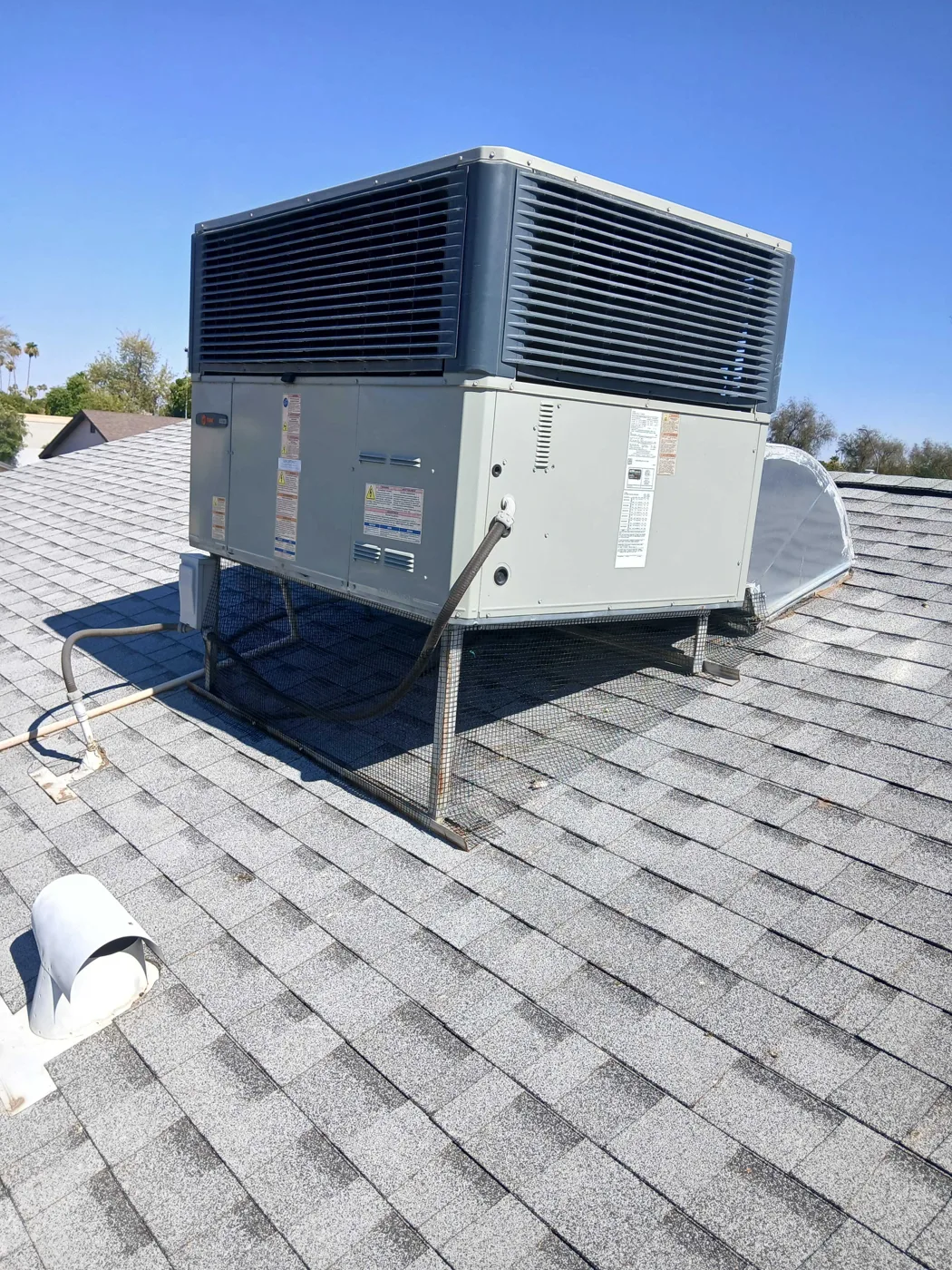
Humane pigeon control starts with an inspection, a plan for any birds already using the space, and properly fitted barriers that prevent access to nesting and roosting areas. For Phoenix-area businesses, that means looking behind signs, beneath canopies and around roof equipment before installing netting or screening.
Pigeon Pros provides pigeon control for homes and businesses across the Phoenix metro area. This guide explains the practical steps a business can take to reduce pigeon activity without creating hazards for birds, employees or customers.
1. Identify the birds and occupied spaces first
Do not cover an opening simply because you have seen pigeons nearby. Inspect the full space for birds, nests, eggs and young before closing access. A bird hidden behind a sign or inside a roof recess can be missed from ground level.
Bird identification matters. Feral rock pigeons are not protected under the federal Migratory Bird Treaty Act, but many native birds are. The U.S. Fish and Wildlife Service explains the Act and its species lists. Do not assume every bird nesting on a building is a feral pigeon. Confirm the species and applicable requirements before disturbing a nest.
If eggs, young birds or an uncertain species are present, have a qualified professional assess the situation and plan the work. Never seal birds inside a structure or behind netting.
2. Reduce food and water that attract pigeons
Property staff can help by keeping waste containers closed, cleaning up food spills and discouraging intentional feeding. Ask the maintenance team to address leaks or standing water where practical without interfering with equipment operation or required drainage.
Coordinate with tenants so these steps continue after installation. Closing one dumpster does little if spilled food remains beside it. These changes support exclusion, but do not by themselves close an established nesting space.
3. Choose barriers that fit the building
Different locations call for different pigeon deterrents and exclusion methods:
- Netting: useful for suitable covered areas, exposed beams and recesses where a complete barrier can be installed.
- Screening or mesh: useful for specific openings and nesting pockets, with secure edges and appropriate attachments.
- Birdwire or spikes: options for suitable perching surfaces. Coverage must match the ledge and the way birds use it.
- Solar-panel screening: a separate perimeter solution for suitable arrays, with attention to wiring, access and attachment methods.
A humane installation needs more than the right product. Netting must be fitted and secured so birds cannot enter through a loose edge and become trapped. Screening should preserve required airflow, drainage and maintenance access. Equipment and roof details should be assessed before choosing attachment points.
4. Check the entire protected area before finishing
The final inspection should include corners, penetrations, uneven surfaces and any access panels. Old deterrents or nesting material left behind a barrier can make the finished work difficult to inspect and maintain.
Ask your installer to explain which areas are protected and which nearby surfaces remain accessible. Excluding one nesting pocket does not mean every ledge on the building has been treated. Clear expectations help you distinguish a repair issue from birds moving to a different untreated area.
5. Plan cleanup and monitoring
Arrange pigeon droppings and nest cleanup around the installation work. Keep staff and customers away from the work area and avoid disturbing dry accumulations. CDC guidance recommends reducing dust during work involving accumulated bird or bat droppings; see its workplace prevention guidance.
After installation, record where birds are seen and where fresh droppings appear. Use photographs taken from the same safe location to compare conditions. Report a loose edge, damaged screen or bird inside an excluded space promptly. Inspect again after roof, sign or solar maintenance that may have disturbed the barriers.
How quickly does humane pigeon control work?
A completed barrier can restrict access to the area it protects immediately. Activity elsewhere depends on the building, nearby food sources and untreated roosting spots. There is no reliable universal timetable for clearing an entire property or changing the size of a neighborhood flock.
This guide focuses on exclusion and property maintenance. It does not recommend a bait or fertility-control program, and those services should not be assumed to be included in an exclusion estimate.
Frequently asked questions
Is pigeon netting humane?
It can be when the area is checked first, birds are not enclosed, and the netting is properly fitted and maintained. Loose or damaged netting needs attention because birds may enter or become entangled.
Can staff install screening while pigeons are away?
A temporarily empty entrance does not prove the space is unoccupied. Hidden nests or young may remain inside. Have the area inspected before closing it.
Will cleanup alone stop pigeons returning?
Cleanup removes the existing mess. It does not close a nesting opening or prevent landing on an untreated ledge. Pair cleanup with a plan for the locations birds are using.
Arrange a free in-person inspection
Pigeon Pros has served Arizona since May 1999. We assess the nesting and roosting areas and discuss suitable cleanup and exclusion work. Guarantee eligibility and coverage depend on the project; review the written guarantee details with your estimate.
Request a free in-person pigeon inspection or call 480-888-8838. For larger installations, see our commercial pigeon netting service.
Leave a Reply