Pigeon Pros Inc Serving Arizona since May 1999

Call 480-888-8838

Category: Blog

Explore pigeon control tips from Pigeon Pros Inc, including solar panel protection, roof cleanup, and prevention for homes and businesses across Phoenix.

  • Professional Pigeon Removal in Phoenix: Residential Guide

    Professional Pigeon Removal in Phoenix: Residential Guide

    Professional pigeon removal in Phoenix should address both the birds using your home and the openings that let them return. A useful plan combines an inspection, appropriate cleanup, and exclusion designed for your roof or solar installation. Chasing birds away without changing access often leaves the underlying problem in place.

    This residential guide explains what to look for, what to ask an installer, and how to compare a proposed solution. Pigeon Pros has served Arizona property owners since May 1999. For local service details, see our Phoenix pigeon control page.

    Signs your home needs a pigeon inspection

    Repeated cooing near a roof recess, droppings collecting in the same place, and birds entering beneath solar panels are reasons to investigate. From the ground, note where birds land, where they disappear, and when activity is highest. Photos help an inspector understand the pattern without requiring you to climb onto the roof.

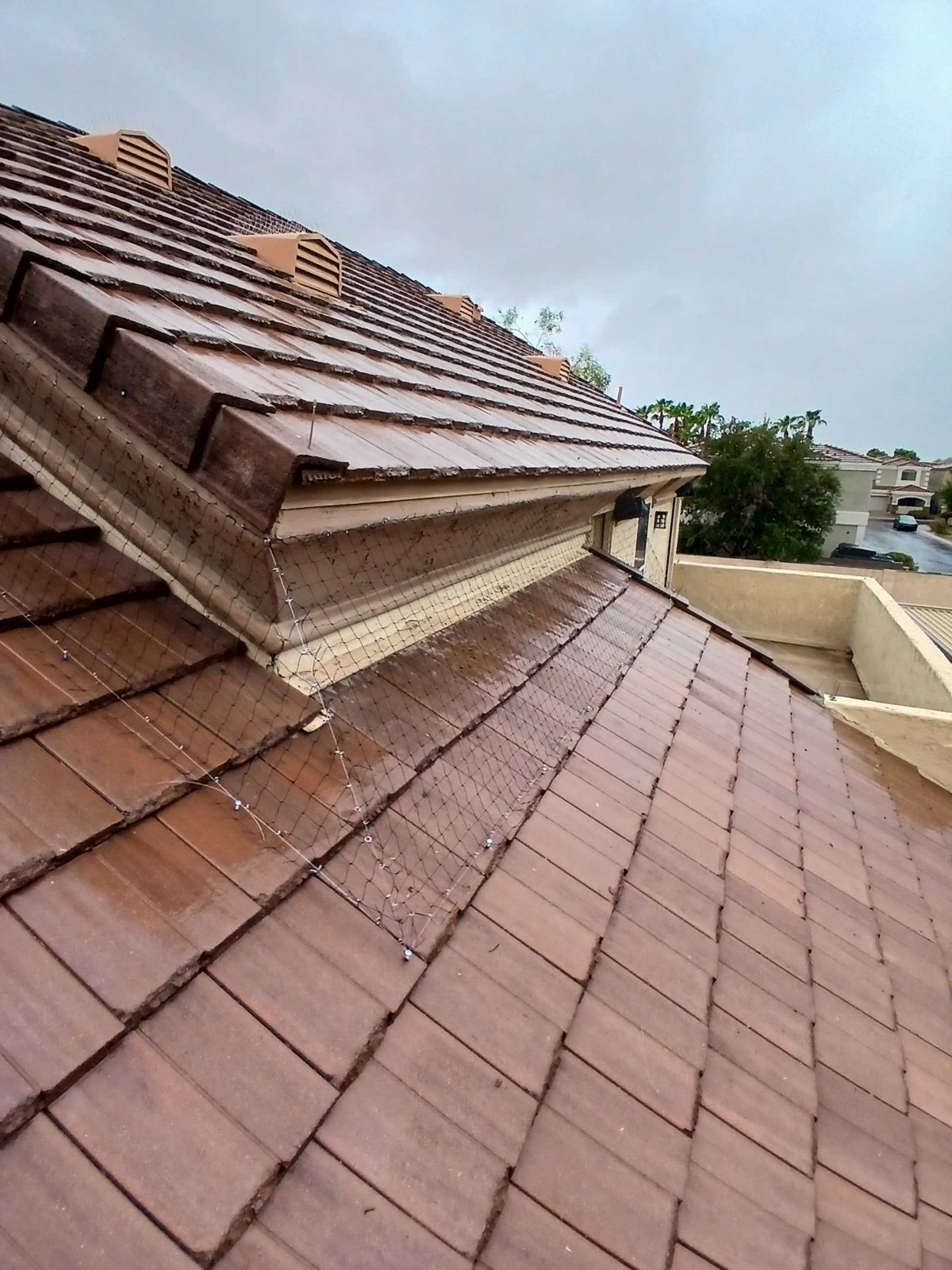
    Roof junctions, sheltered ledges, and spaces beneath equipment can provide nesting or roosting areas. Conditions vary from home to home: a system that protects one opening may leave a nearby recess accessible. An inspection should cover the affected area and other likely entry points.

    What a professional pigeon removal plan should include

    1. Inspect and identify: Locate access points, droppings, nesting material, and birds present. Identify the bird species and check for active nests before deciding how and when to work.
    2. Plan safe access: Consider roof condition, tile access, ladder placement, solar wiring, and protection of landscaping and walkways.
    3. Define cleanup: Specify which areas will be cleaned and how debris will be contained. Identify inaccessible material or repairs outside the scope.
    4. Install exclusion: Fit the chosen barrier to the opening while preserving required ventilation, drainage, and equipment access. Never close birds inside.
    5. Check the installation: Review edges, corners, and remaining access points, then document completed work with photos.

    Ask how the installer will handle an occupied nest or young birds. A humane plan needs an answer before work begins. Our pigeon control process explains how an inspection informs the proposed work.

    Pigeons under solar panels

    The sheltered space beneath a solar array can attract pigeons. Screening can block access, but the attachment method matters. Ask how the barrier will fit around brackets, conduits, and corners without interfering with the solar system or necessary airflow.

    Before approving work, confirm whether the proposed attachment method meets the solar manufacturer’s requirements and whether your solar provider needs to be involved. Do not assume drilling into panel frames or roof components is acceptable. The proposal should also explain how maintenance access will work after installation.

    See solar panel bird and pigeon proofing for this service. If panels or wiring appear damaged, have a qualified solar professional assess those components.

    Choosing exclusion for roof recesses and ledges

    Netting or fitted screening can keep pigeons out of sheltered spaces when the perimeter is properly secured. For exposed landing surfaces, a suitable deterrent may be part of the plan. The right choice depends on the opening, surface, bird activity, appearance, and maintenance needs.

    Ask for a clear explanation of why each product fits your home. A deterrent installed on a ledge will not necessarily stop access beneath a nearby solar array. Likewise, screening one recess does not address every roof junction. Review the whole affected area instead of choosing solely by product name.

    Removing accessible food and standing water, where practical, can reduce attractions around the property. These steps support exclusion but may not resolve established rooftop nesting on their own.

    Droppings and nesting material: arrange appropriate cleanup

    Avoid disturbing accumulated dry droppings or sweeping them into airborne dust. Cleanup methods should account for the amount of material, the work area, and exposure to dust. The CDC’s occupational guidance on controlling dust during cleanup explains why reducing airborne material matters.

    For substantial accumulations, enclosed areas, or work at height, ask a professional to assess the cleanup. Keep people and pets away from the work zone. Ask what surfaces are included, how waste will be collected, and whether stains may remain. Cleanup and roof repair are different services; damaged materials may need a roofing contractor.

    Learn more about our pigeon cleanup and nest removal service.

    What affects the cost of residential pigeon control?

    A quote depends on the number and size of openings, roof height and access, the layout of a solar array, the amount of cleanup, and the materials and attachment work required. Photos can help describe the problem, but an in-person inspection is needed to establish the actual scope.

    Compare written proposals by asking:

    • Which openings and roof areas are included?
    • What cleanup, materials, and attachment methods are specified?
    • How will birds or active nests be handled?
    • What is excluded, including roofing or solar repairs?
    • What follow-up is available if activity continues?
    • Which parts of the work qualify for a guarantee, and what conditions apply?

    Review the Pigeon Pros five-year guarantee and confirm the coverage for your particular proposal. Do not assume every product or service has identical coverage.

    After installation: watch the protected areas

    Observe the roof from the ground and report birds entering a protected opening, loose screening, or new droppings in the same location. Birds elsewhere on the property do not automatically indicate that an exclusion barrier has failed; the relevant question is whether they can still enter the protected space.

    Let solar technicians and roofers know that exclusion is installed before they work. Ask them to restore any disturbed barriers or arrange an inspection afterward.

    Residential pigeon removal questions

    Can I solve the problem by removing a nest?

    Nest removal alone leaves the access point available. The plan should address bird welfare, appropriate cleanup, and prevention of re-entry. Check occupancy before disturbing material or sealing an opening.

    Do I need to replace my solar panels?

    Pigeon activity does not by itself establish that panels need replacement. An exclusion installer can assess bird access; a qualified solar professional should evaluate suspected panel or electrical damage.

    Can you quote from a photo?

    A photo can show symptoms, but it may miss entry points, roof conditions, or material underneath panels. An inspection provides the information needed for a written scope.

    Arrange a Phoenix home inspection

    Contact Pigeon Pros for a free in-person inspection or call 480-888-8838. Tell us where you see activity, whether solar panels are present, and what work has already been tried so we can assess the next step.
  • Commercial Pigeon Control: A Property Manager’s Guide

    Commercial Pigeon Control: A Property Manager’s Guide

    A commercial pigeon control plan should identify the areas birds use, specify the cleanup and exclusion work, and explain how the installation will fit your building’s daily operations. For Phoenix property managers, a useful estimate answers more than the price: it shows what will be protected, how crews will access it and what maintenance remains afterward.

    Pigeon Pros has served Arizona since May 1999. We provide free in-person inspections for commercial properties across the Phoenix metro area. Use this guide when planning work for a storefront, office building, covered workspace or multi-building property.

    Start with a map of the pigeon activity

    Before comparing products, document where pigeons land, nest and leave droppings. A photograph of the mess below a canopy does not always reveal the nesting pocket above it. Signs, exposed beams, parapets and roof equipment can create several separate problem areas.

    • Identify entrances, walkways and work areas affected by droppings.
    • Note roof recesses, openings and ledges the birds use.
    • Record previous netting, screening or spikes, including visible damage.
    • Identify equipment that requires routine service access.
    • Tell the inspector about tenant complaints and previous cleanup work.

    Keep these observations at ground level or other safely accessible locations. Roof access and concealed spaces should be assessed by the people equipped to work there.

    Match the pigeon control method to each area

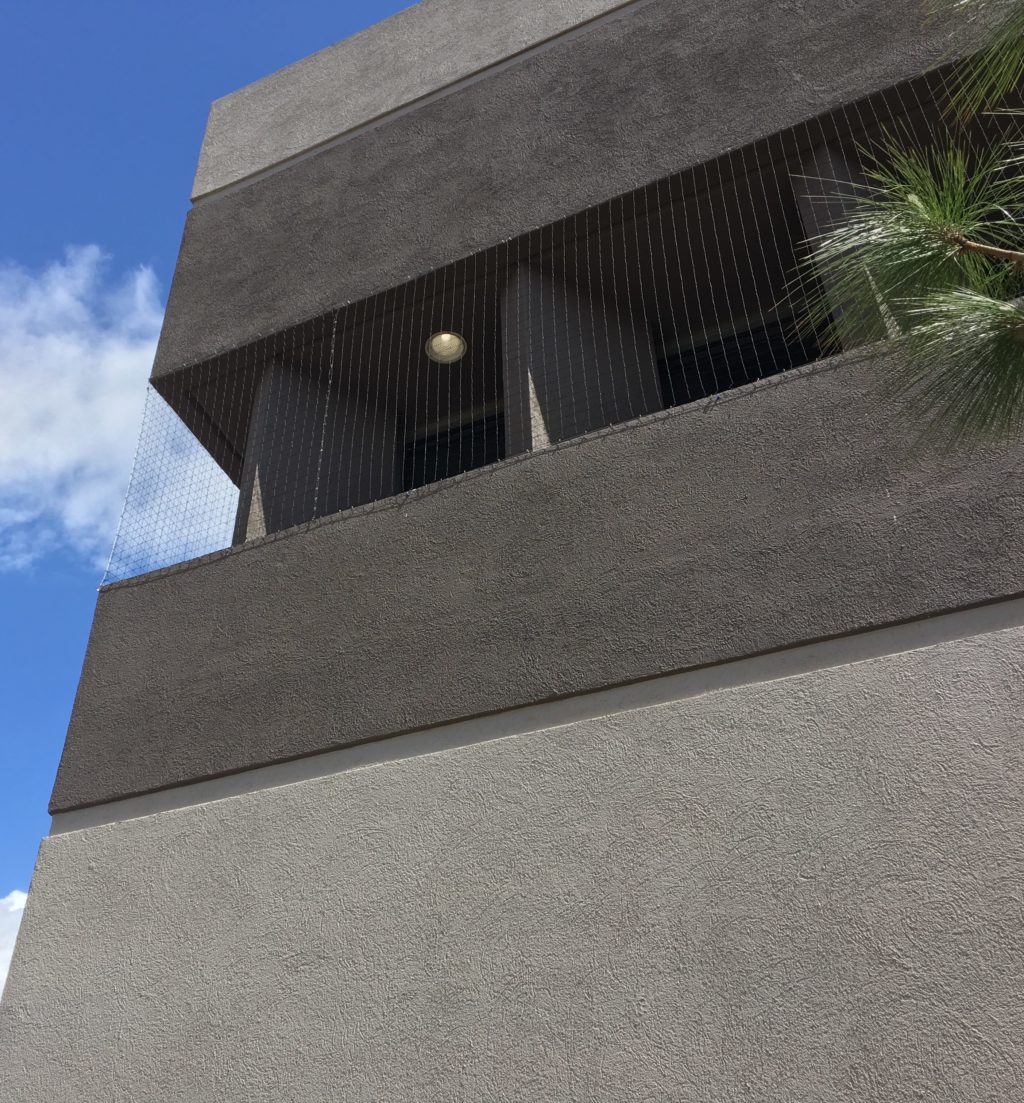
    Commercial pigeon netting can protect suitable covered spaces and exposed structural areas. It needs secure perimeter attachments, fitted edges and a plan for access where equipment will need servicing. A large opening and a narrow ledge generally need different designs.

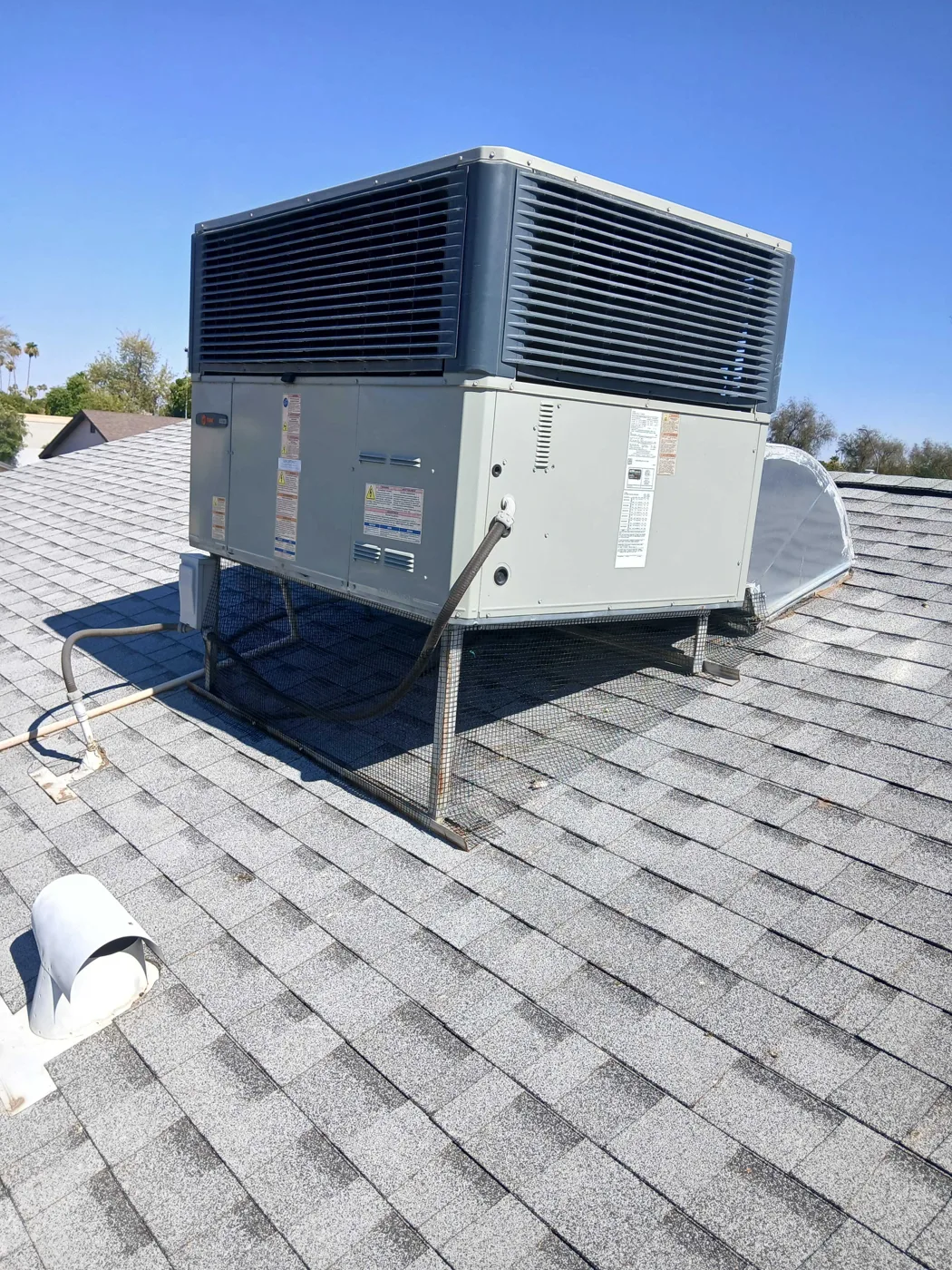
    Screening may be appropriate for smaller nesting openings. Birdwire or spikes may suit particular ledges and perching surfaces. The deterrent installation plan should explain the choice for each location rather than assigning one product to the whole building.

    Before exclusion begins, check for birds and occupied nests so that animals are not enclosed. For installation and monitoring considerations, read our guide to humane pigeon control on business property.

    What should a commercial pigeon control estimate include?

    Ask for a scope you can compare line by line:

    1. Work areas: the specific openings, ledges or structures included, with photographs where useful.
    2. Cleanup: the surfaces to be cleaned, the accessible nesting material to be removed and any limitations.
    3. Materials and attachment: the proposed netting, screening or perch deterrents and how they will be secured.
    4. Access: roof access, lift requirements, parking restrictions and arrangements around customers or deliveries.
    5. Building coordination: how drainage, ventilation and equipment maintenance access will be preserved.
    6. Guarantee: the applicable written coverage, exclusions and any labor charges.

    A quote for one canopy is not directly comparable with a quote covering a canopy, roof recesses and several signs. Confirm the included areas before deciding which proposal fits your needs.

    What affects commercial pigeon control cost?

    The price depends on the protected area, access difficulty, building height, attachment surfaces, cleanup requirements and the condition of existing deterrents. Equipment access can be a significant part of the work even when the actual opening is small.

    For budgeting, compare the proposed project with your own cleanup history. Record repeat cleaning visits and staff time spent addressing the same locations. Exclusion may reduce recurring cleanup in protected areas, but no universal payback period applies to every building.

    Pigeon Pros prepares recommendations after an in-person inspection. The resulting estimate should reflect your property rather than an unsupported per-square-foot price.

    Coordinate cleanup with tenants and staff

    Pigeon cleanup and nest removal address the existing accumulation; exclusion addresses access to the nesting or roosting space. Confirm which tasks are included and how the area will be managed during work.

    Avoid having maintenance staff dry-sweep heavy accumulations before the inspection. Disturbing accumulated droppings can create airborne dust. The CDC’s workplace guidance describes dust reduction and other controls for this type of work. The cleanup approach and protective equipment should match the conditions.

    Keep a useful record after installation

    Retain the estimate, installation photographs, treated-area notes and guarantee documents. Give the relevant information to roof, HVAC, sign and solar contractors so later work does not unintentionally open the barrier.

    Check accessible areas for fresh droppings, loose material or birds inside an excluded space. A report that identifies the exact location is more useful than a general statement that pigeons are still somewhere on the property. Nearby untreated ledges may require their own assessment.

    Frequently asked questions

    Is netting always the best commercial pigeon deterrent?

    No. It can be suitable for larger protected areas, while screening, birdwire or spikes may fit other locations. Building geometry, bird activity and maintenance access determine the recommendation.

    Does the guarantee cover the entire building?

    Do not assume it does. Coverage depends on the written project terms and protected areas. Review Pigeon Pros’ guarantee and coverage information and ask which terms apply to your estimate.

    Can work be planned around business hours?

    Tell us about deliveries, customer access, tenant restrictions and equipment schedules during the inspection so the proposed work can account for those needs. Timing and access arrangements must be confirmed for the project.

    Request an inspection for your commercial property

    Request a free in-person commercial pigeon control inspection or call 480-888-8838. Pigeon Pros will assess the problem areas and discuss a plan for cleanup, exclusion and suitable deterrents.

  • How to Control Pigeons Humanely on Business Property

    How to Control Pigeons Humanely on Business Property

    Humane pigeon control starts with an inspection, a plan for any birds already using the space, and properly fitted barriers that prevent access to nesting and roosting areas. For Phoenix-area businesses, that means looking behind signs, beneath canopies and around roof equipment before installing netting or screening.

    Pigeon Pros provides pigeon control for homes and businesses across the Phoenix metro area. This guide explains the practical steps a business can take to reduce pigeon activity without creating hazards for birds, employees or customers.

    1. Identify the birds and occupied spaces first

    Do not cover an opening simply because you have seen pigeons nearby. Inspect the full space for birds, nests, eggs and young before closing access. A bird hidden behind a sign or inside a roof recess can be missed from ground level.

    Bird identification matters. Feral rock pigeons are not protected under the federal Migratory Bird Treaty Act, but many native birds are. The U.S. Fish and Wildlife Service explains the Act and its species lists. Do not assume every bird nesting on a building is a feral pigeon. Confirm the species and applicable requirements before disturbing a nest.

    If eggs, young birds or an uncertain species are present, have a qualified professional assess the situation and plan the work. Never seal birds inside a structure or behind netting.

    2. Reduce food and water that attract pigeons

    Property staff can help by keeping waste containers closed, cleaning up food spills and discouraging intentional feeding. Ask the maintenance team to address leaks or standing water where practical without interfering with equipment operation or required drainage.

    Coordinate with tenants so these steps continue after installation. Closing one dumpster does little if spilled food remains beside it. These changes support exclusion, but do not by themselves close an established nesting space.

    3. Choose barriers that fit the building

    Different locations call for different pigeon deterrents and exclusion methods:

    • Netting: useful for suitable covered areas, exposed beams and recesses where a complete barrier can be installed.
    • Screening or mesh: useful for specific openings and nesting pockets, with secure edges and appropriate attachments.
    • Birdwire or spikes: options for suitable perching surfaces. Coverage must match the ledge and the way birds use it.
    • Solar-panel screening: a separate perimeter solution for suitable arrays, with attention to wiring, access and attachment methods.

    A humane installation needs more than the right product. Netting must be fitted and secured so birds cannot enter through a loose edge and become trapped. Screening should preserve required airflow, drainage and maintenance access. Equipment and roof details should be assessed before choosing attachment points.

    4. Check the entire protected area before finishing

    The final inspection should include corners, penetrations, uneven surfaces and any access panels. Old deterrents or nesting material left behind a barrier can make the finished work difficult to inspect and maintain.

    Ask your installer to explain which areas are protected and which nearby surfaces remain accessible. Excluding one nesting pocket does not mean every ledge on the building has been treated. Clear expectations help you distinguish a repair issue from birds moving to a different untreated area.

    5. Plan cleanup and monitoring

    Arrange pigeon droppings and nest cleanup around the installation work. Keep staff and customers away from the work area and avoid disturbing dry accumulations. CDC guidance recommends reducing dust during work involving accumulated bird or bat droppings; see its workplace prevention guidance.

    After installation, record where birds are seen and where fresh droppings appear. Use photographs taken from the same safe location to compare conditions. Report a loose edge, damaged screen or bird inside an excluded space promptly. Inspect again after roof, sign or solar maintenance that may have disturbed the barriers.

    How quickly does humane pigeon control work?

    A completed barrier can restrict access to the area it protects immediately. Activity elsewhere depends on the building, nearby food sources and untreated roosting spots. There is no reliable universal timetable for clearing an entire property or changing the size of a neighborhood flock.

    This guide focuses on exclusion and property maintenance. It does not recommend a bait or fertility-control program, and those services should not be assumed to be included in an exclusion estimate.

    Frequently asked questions

    Is pigeon netting humane?

    It can be when the area is checked first, birds are not enclosed, and the netting is properly fitted and maintained. Loose or damaged netting needs attention because birds may enter or become entangled.

    Can staff install screening while pigeons are away?

    A temporarily empty entrance does not prove the space is unoccupied. Hidden nests or young may remain inside. Have the area inspected before closing it.

    Will cleanup alone stop pigeons returning?

    Cleanup removes the existing mess. It does not close a nesting opening or prevent landing on an untreated ledge. Pair cleanup with a plan for the locations birds are using.

    Arrange a free in-person inspection

    Pigeon Pros has served Arizona since May 1999. We assess the nesting and roosting areas and discuss suitable cleanup and exclusion work. Guarantee eligibility and coverage depend on the project; review the written guarantee details with your estimate.

    Request a free in-person pigeon inspection or call 480-888-8838. For larger installations, see our commercial pigeon netting service.

  • Commercial Pigeon Prevention: A Phoenix Property Manager’s Checklist

    Pigeon nesting prevention for a commercial building starts with finding the places birds can use, then choosing controls that fit those areas. For a Phoenix-area property manager, the useful first step is a site assessment covering entrances, signs, roof edges, covered walkways, loading areas, and rooftop equipment.

    This checklist helps you prepare for that inspection and compare proposals. It is not a roof-access or installation guide.

    1. Record where the problem is happening

    Before the inspection, make a short list of affected areas. Photographs taken safely from ground level can help explain what staff or tenants are seeing. Note whether the concern is fresh droppings, repeated perching, nesting material, or birds entering a sheltered space.

    • Entrances and walkways: identify where the mess affects customers, staff, or residents.
    • Signs and building recesses: note birds going behind signs or into covered corners.
    • Loading docks and waste areas: record open containers, spilled food, and recurring activity.
    • Roof and equipment areas: tell the inspector about solar panels, HVAC equipment, recent roofing work, and access restrictions.

    Keep a record of previous deterrents and where they were installed. A photo of the affected area is more useful than simply describing the property as having “a lot of pigeons.”

    2. Ask why the proposed method fits your building

    Netting can exclude birds from sheltered spaces; spikes, wire, or changes to a landing surface may suit other locations. Selection and installation matter. A product that helps on one section of a building may leave another section accessible.

    The University of Arizona Cooperative Extension explains that pigeon management combines reducing access to resources with exclusion and other appropriate controls. Its Managing Pigeons guide also emphasizes professional installation and maintenance of netting and deterrents.

    Ask the contractor to mark the areas included in the proposal and explain how the installation will accommodate maintenance access. For examples of our work, see Pigeon Pros commercial pigeon netting installations.

    3. Include cleanup and building access in the scope

    A useful proposal should explain whether cleanup is included, which surfaces are covered, and how the work will be coordinated with the people using the building. Ask about access equipment, affected entrances, working hours, and coordination with your roofer, solar installer, or facilities team.

    Avoid disturbing dry accumulations of droppings or nesting material. Significant buildup should be assessed by trained professionals. Our pigeon cleanup and nest removal information explains that part of the service.

    Before an opening is closed, the installer should check that birds will not be trapped inside. Cornell’s pest exclusion guidance highlights this precaution. Have active nests and species identification assessed before work begins.

    4. Reduce attractants that the property controls

    Keep waste containers closed and address food spills and avoidable water sources. These steps support a building-specific exclusion plan, but they do not replace one. Nearby properties may also provide food or shelter, so the inspection should focus on realistic improvements at your property.

    5. Get follow-up and coverage terms in writing

    Before approving work, ask:

    • Exactly which areas and installation methods are included?
    • What cleanup, access equipment, and coordination are included?
    • Who should be contacted if fresh pigeon activity appears?
    • What maintenance or inspections are recommended for this installation?
    • How should roofing repairs or equipment servicing be coordinated afterward?
    • What guarantee applies to this particular scope, and what are its conditions and exclusions?

    Coverage depends on the property and work proposed. Pigeon Pros discusses applicable guarantee terms case by case; do not assume that every project has identical coverage.

    Request a commercial pigeon-control inspection in Phoenix metro

    Pigeon Pros serves residential and commercial properties across the Phoenix metropolitan area, including Phoenix, Queen Creek, Gilbert, Mesa, and Chandler. Tell us where pigeons are gathering, which parts of the property are affected, and any access or scheduling requirements.

    Request a free in-person inspection through our website form. Our team will contact you to discuss the property and arrange the inspection.